Winstrol for Sale: Enhance Muscle Growth, Buy Winstrol Today!

Are you ready to unlock your true potential in the world of bodybuilding? If you're looking to enhance your muscle growth and achieve outstanding results, then you've come to the right place to buy Winstrol. Welcome to our ultimate guide on how to enhance muscle growth and the role of a remarkable supplement: Winstrol. In this blog post, we will delve into the intricacies of muscle development, uncover the key factors that contribute to substantial gains, and explore how Winstrol can be a game-changer in your bodybuilding journey once you decide to buy it.
Have you ever wondered why some individuals seem to effortlessly pack on lean muscle mass while others struggle to make noticeable gains? The secret lies in understanding the science behind muscle growth. We will discuss the fundamental principles that govern muscle hypertrophy, shedding light on the importance of proper nutrition, effective training strategies, and optimal recovery techniques. But that's not all - we will also reveal how Winstrol, a widely acclaimed performance-enhancing drug, can provide that extra edge in your quest for an impressive physique.
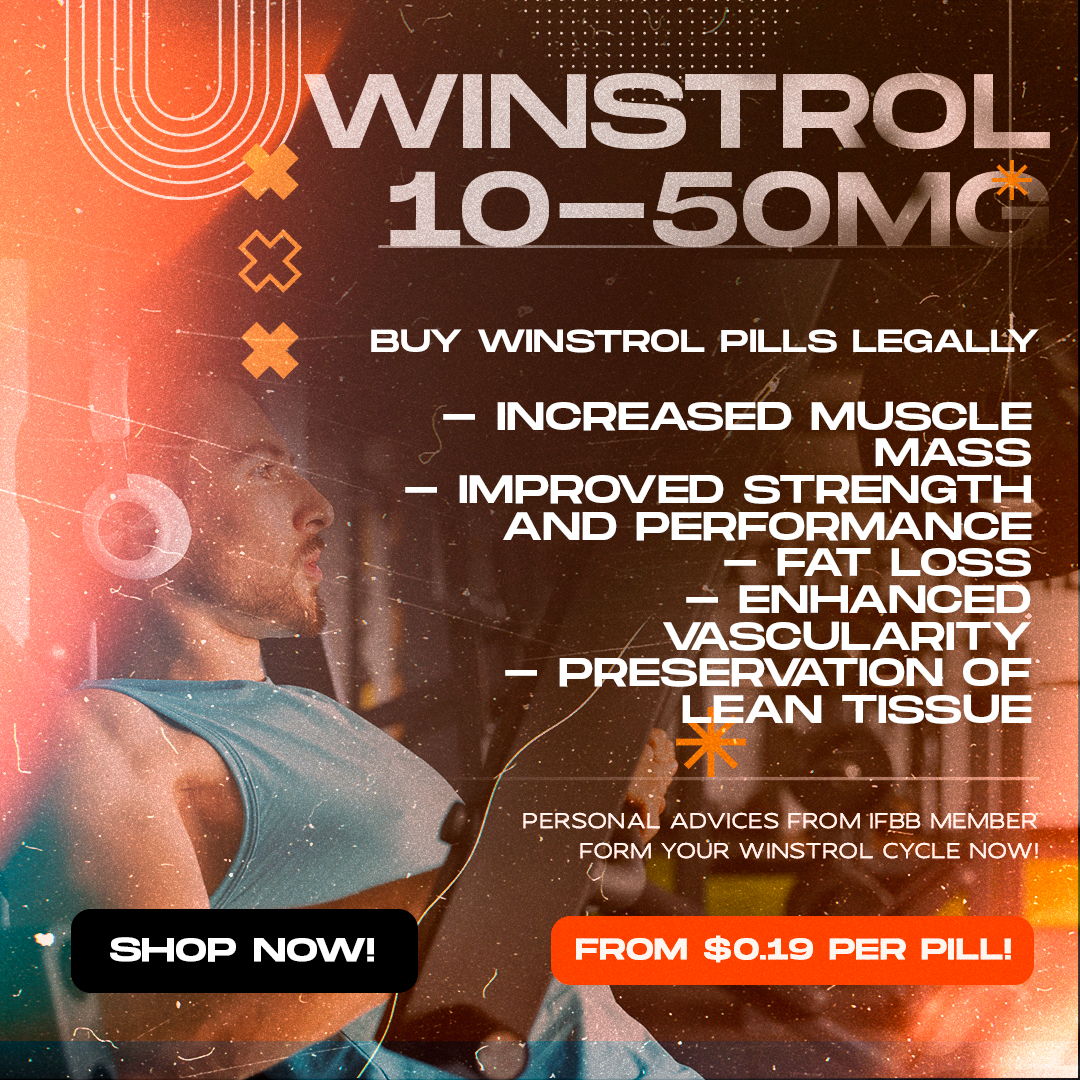
Please note that this article exclusively discusses genuine Winstrol, ensuring there are no discussions about legal alternatives or any alterations regarding your search intent.
Winstrol for Sale: Finding the Best Source for Your Muscle Growth Journey
When it comes to embarking on your muscle growth journey, finding the best source to purchase Winstrol (Stanozolol) is of utmost importance. The market is flooded with numerous options, but not all sources are created equal. To ensure you obtain authentic, high-quality steroids that delivers optimal results, it's crucial to navigate through the sea of suppliers and identify a reputable source. Here are some key factors to consider when seeking the best place to buy Stanozolol:
- Quality Assurance: Look for a supplier that emphasizes quality assurance. Ensure they have stringent quality control measures in place to guarantee the purity, potency, and safety of the Winstrol they offer. Reliable sources often provide detailed information about their manufacturing processes, including adherence to Good Manufacturing Practices (GMP) and third-party testing.
- Reputation and Reviews: Research the reputation of the source you are considering. Check for customer reviews, testimonials, and feedback from trusted bodybuilding communities. A reputable supplier will have a positive track record, with satisfied customers attesting to the quality and authenticity of their Winny products.
- Legal and Legitimate: It is essential to ensure that the source you choose operates within the legal framework. Verify that they comply with applicable laws and regulations regarding the sale and distribution of Stanozolol. This will help you avoid potential legal issues and ensure that the product you purchase is legitimate.
- Customer Support: A reliable source will have a dedicated customer support team that is responsive and knowledgeable. They should be able to address any inquiries or concerns you may have regarding their Winstrol products, dosages, usage guidelines, and more.
Remember, your muscle growth journey requires not only dedication to training and nutrition but also the procurement of top-quality supplements like Winny. By finding the best source for purchasing Winstrol, you can embark on your journey with confidence, knowing that you have a reliable and trustworthy supplier by your side.
Buy real quality Winstrol from trusted source.A Comparison of Winstrol and Other Muscle Growth Supplements
When it comes to muscle growth supplements, it's important to understand the differences and benefits of various options available in the market. In this comparison table, we will take a closer look at Winny, SARMs (Selective Androgen Receptor Modulators), Peptides, and Protein Powders. Each supplement has its unique characteristics and potential advantages, and this table will help you make an informed decision based on your specific goals and preferences. Explore the key features and differences between these supplements to find the one that best aligns with your muscle growth journey.
| Supplement | Usage | Muscle Growth Effects | Potential Side Effects | Administration |
|---|---|---|---|---|
| Winstrol | Oral or injectable | Promotes lean muscle growth, enhanced strength | Possible liver toxicity, cardiovascular risks | Daily dosage, cycle-based |
| SARMs | Oral or injectable | Promotes muscle growth, androgenic effects | Potential hormonal imbalances, suppressed testosterone | Daily dosage, cycle-based |
| Peptides | Injectable | Stimulates muscle growth, aids in recovery | Possible allergic reactions, injection site reactions | Frequency and dosage varies |
| Protein Powders | Oral | Provides essential amino acids for muscle repair and growth | No significant side effects | As needed, typically post-workout |
The Science Behind Muscle Growth: Understanding the Basics

When it comes to building muscle, understanding the science behind muscle growth is essential. Muscle growth, scientifically known as muscle hypertrophy, occurs as a response to the stress and demands placed on the muscles during exercise. By comprehending the basics of muscle growth, you can optimize your training and nutrition strategies to achieve the best possible results.
Muscle growth primarily happens through a process called protein synthesis. During resistance training, microscopic damage occurs to the muscle fibers. This damage triggers a cascade of physiological responses in the body. The damaged muscle fibers activate satellite cells, which are responsible for muscle repair and growth. These satellite cells fuse with the damaged muscle fibers, leading to an increase in the size and number of muscle protein strands, known as myofibrils. As a result, the muscle fibers become thicker and stronger, resulting in visible muscle growth over time.
To support muscle growth, proper nutrition plays a crucial role. Consuming an adequate amount of protein is essential as it provides the building blocks, called amino acids, necessary for muscle repair and synthesis. Carbohydrates provide the energy needed for intense workouts, while fats contribute to hormone production and overall health.
It's important to note that muscle growth is a gradual process that occurs over time with consistent training and appropriate recovery. Overloading the muscles with progressively challenging exercises and giving them sufficient time to rest and recover is key. Adequate sleep, hydration, and managing stress levels also contribute to optimal muscle growth.
Understanding the science behind muscle growth empowers you to tailor your training program and nutritional intake to maximize your gains. By applying this knowledge, you can create a well-rounded approach to building muscle that takes into account the physiological processes occurring within your body. So, whether you're a beginner or a seasoned gym-goer, delving into the science of muscle growth will undoubtedly help you unlock your full potential and achieve your desired physique.
Key Features and Benefits of Winstrol versus Competing Products
When considering muscle growth supplements, comparing the key features and benefits of different products is crucial in making an informed decision. In this table, we will compare the key features and benefits of Winny with two popular competing products: Testosterone and Trenbolone. By examining these factors, you can better understand how Winstrol stacks up against these alternatives and determine which supplement aligns best with your goals.
| Supplement | Key Features | Benefits |
|---|---|---|
| Winstrol | Enhances lean muscle growth | Improves vascularity, promotes strength, and preserves lean tissue |
| Testosterone | Boosts overall muscle mass | Increases strength, enhances libido, and supports bone density |
| Trenbolone | Promotes rapid muscle growth | Enhances muscle hardness, increases endurance, and improves nitrogen retention |
The Role of Nutrition in Enhancing Muscle Growth: A Comprehensive Overview
When it comes to enhancing muscle growth, nutrition plays a pivotal role. It acts as the foundation upon which your training efforts are built. Proper nutrition not only fuels your workouts but also provides the necessary nutrients for muscle repair, recovery, and growth. In this comprehensive overview, we will explore the key aspects of nutrition that contribute to maximizing muscle growth.
- Caloric Surplus: To support muscle growth, it's essential to consume a slight caloric surplus. This means consuming more calories than your body burns, providing the energy required for muscle synthesis. Aim for a moderate surplus, typically around 250-500 calories per day, to minimize excessive fat gain while promoting muscle growth.
- Protein Intake: Protein is the building block of muscle tissue. Consuming an adequate amount of high-quality protein is crucial for muscle repair and growth. Aim for around 0.7-1 gram of protein per pound of body weight per day, spread out across multiple meals, to optimize muscle protein synthesis.
- Macronutrient Balance: While protein is vital, don't overlook the importance of carbohydrates and fats. Carbohydrates provide the energy needed for intense workouts and replenish glycogen stores, while dietary fats support hormone production and overall health. Opt for a balanced macronutrient split that suits your individual needs and preferences.
- Meal Timing: Distributing your meals throughout the day can have an impact on muscle growth. Consuming protein and carbohydrates before and after workouts can enhance muscle protein synthesis and glycogen replenishment. Additionally, spreading protein intake evenly across meals helps maintain a positive muscle protein balance throughout the day.
- Micronutrients and Hydration: Adequate intake of vitamins, minerals, and water is crucial for optimal muscle growth. Micronutrients play various roles in supporting physiological processes related to muscle synthesis and overall health. Staying well-hydrated supports nutrient transport, digestion, and overall cellular function.
- Supplements: While not essential, certain supplements can complement your nutrition plan and aid in muscle growth. Examples include whey protein powder, creatine monohydrate, and branched-chain amino acids (BCAAs). However, remember that supplements should not replace a balanced diet and proper nutrition.
Understanding the role of nutrition in enhancing muscle growth allows you to optimize your dietary choices and support your fitness goals. By fueling your body with the right nutrients in the right quantities, you provide an environment conducive to muscle repair, growth, and overall performance. Combine proper nutrition with a well-designed training program, adequate rest, and consistency, and you'll be on the path to achieving your muscle growth aspirations.
Effective Training Strategies to Maximize Muscle Hypertrophy
When it comes to maximizing muscle hypertrophy, incorporating effective training strategies is crucial. While consistency and progressive overload are key principles, there are specific strategies you can implement to optimize your workouts and stimulate muscle growth. Here are some effective training strategies to help you maximize muscle hypertrophy:
- Resistance Training: Engage in regular resistance training that targets major muscle groups. Focus on compound exercises such as squats, deadlifts, bench presses, and rows. These exercises recruit multiple muscle groups, allowing you to lift heavier weights and stimulate greater muscle growth.
- Progressive Overload: Continuously challenge your muscles by progressively increasing the demands placed upon them. Gradually increase the weight, repetitions, or sets over time to stimulate adaptation and muscle growth. Keep a training log to track your progress and ensure consistent overload.
- Volume and Intensity: Manipulate training volume (total sets and repetitions) and intensity (load or weight used) to optimize muscle growth. Moderate to high training volume with challenging weights is typically effective for hypertrophy. Aim for a combination of heavier loads and moderate repetitions (8-12) to promote muscle growth.
- Rest and Recovery: Allow adequate rest periods between sets and prioritize recovery. Muscles grow and repair during rest, so ensure you have sufficient recovery time between training sessions. Aim for 48 to 72 hours of recovery for each muscle group before training them again.
- Time Under Tension (TUT): Control the tempo of your repetitions to increase the time under tension. Slow, controlled eccentric (lowering) and concentric (lifting) phases of each repetition can enhance muscle activation and stimulate hypertrophy. Aim for 2-3 seconds during each phase.
- Muscle-Focused Training: Incorporate exercises that specifically target the muscles you want to grow. Isolation exercises, such as bicep curls or tricep extensions, can help emphasize specific muscle groups and provide additional stimulus for growth.
- Variation and Periodization: Introduce variation into your training routine to prevent plateauing and maintain muscle growth. Periodize your training by implementing phases of different training styles, such as strength-focused, hypertrophy-focused, and power-focused periods.
- Mind-Muscle Connection: Develop a strong mind-muscle connection by focusing on the muscle being worked during each repetition. Visualize the muscle contracting and consciously engage and squeeze the targeted muscle throughout the exercise to maximize muscle activation.
Remember, consistency is key when it comes to maximizing muscle hypertrophy. Develop a well-rounded training program that incorporates these strategies, listen to your body, and make adjustments as needed. Combined with proper nutrition and adequate rest, these effective training strategies will help you achieve your muscle growth goals.
Choose your Winstrol from 5 famous steroids brands nowWhere to Buy Winstrol Safely and Legally?

When it comes to purchasing Winstrol, a popular anabolic steroid, it is essential to prioritize safety and legality. Winny, also known as Stanozolol, is commonly sought after by athletes and bodybuilders due to its potential performance-enhancing effects. However, it is crucial to ensure that you acquire it from reputable sources to avoid counterfeit products, legal complications, and potential health risks. This article will discuss both online and offline options for buying the steroid safely and legally.
Online Stores:
Verified Pharmaceutical Websites: Purchasing Winstrol from reputable online pharmacies is often the safest and most convenient option. These websites typically require a prescription from a licensed healthcare professional. By following this route, you ensure that you are getting genuine Winny produced by legitimate pharmaceutical companies.
Research Chemical Websites: Another option is to explore research chemical websites that offer Stanozolol. However, it is crucial to exercise caution and thoroughly research the credibility and reputation of these platforms. Look for reviews and customer feedback to verify the authenticity and quality of the products they offer. Keep in mind that research chemical websites may have varying levels of regulation and oversight, so extra diligence is necessary to ensure safety and legality.
Offline Stores:
Pharmacies: In some countries, Winstrol is available in pharmacies with a prescription. Consult with a healthcare professional or a doctor experienced in sports medicine to determine if Winny is suitable for your needs. If they prescribe it, you can purchase it from a licensed pharmacy while complying with legal regulations.
Licensed Medical Practitioners: Sports medicine clinics, hormone replacement therapy (HRT) clinics, or anti-aging clinics may also offer Winstrol under proper medical supervision. These clinics typically require a consultation and examination before prescribing Winny or any other performance-enhancing substance. Ensure that you choose reputable medical professionals who adhere to legal and ethical standards.
Important Considerations:
Legal Restrictions: The legality of Winstrol varies from country to country and even within different jurisdictions. Before purchasing Winny, familiarize yourself with the specific laws and regulations regarding the substance in your location. Make sure you are complying with all applicable legal requirements to avoid potential legal consequences.
Quality and Safety: Regardless of whether you choose to buy Stanozolol online or offline, always prioritize product quality and safety. Counterfeit or substandard products can pose serious health risks. Verify the reputation and authenticity of the seller or pharmacy, read customer reviews, and look for certifications or accreditations that ensure the legitimacy and quality of the Winny you intend to purchase.
In conclusion, buying Winstrol safely and legally requires careful consideration and research. Prioritize verified pharmaceutical websites, reputable research chemical platforms, licensed pharmacies, or medical practitioners to ensure the authenticity, quality, and legal compliance of the product. Always stay informed about the applicable laws and regulations in your region to avoid any legal complications.
The Importance of Rest and Sleep in Supporting Muscle Development
Rest and sleep play a vital role in supporting muscle development and overall fitness progress. While it's easy to get caught up in the mindset of constant training and pushing yourself to the limit, it's crucial to understand the importance of adequate rest and quality sleep. Here's why rest and sleep are essential for optimal muscle development:
- Muscle Repair and Recovery: Rest allows your muscles to repair and rebuild after intense workouts. During exercise, microscopic damage occurs in muscle fibers, and rest periods provide an opportunity for these fibers to heal and grow stronger. Without sufficient rest, the muscle tissue breakdown may exceed the repair process, leading to overtraining and hindered progress.
- Hormonal Balance: Quality sleep is crucial for maintaining optimal hormonal balance, including the release of growth hormone (GH) and testosterone. These hormones are essential for muscle growth and repair. During deep sleep stages, the body produces and releases GH, which stimulates protein synthesis and supports muscle development. Insufficient sleep can disrupt hormone production and impair muscle-building processes.
- Energy Restoration: Rest and sleep replenish energy stores in the body, including muscle glycogen. Adequate glycogen levels are crucial for fueling intense workouts and maintaining optimal performance. When you rest, your body can restore glycogen levels, ensuring you have the energy necessary for effective training sessions.
- Central Nervous System Recovery: Intense exercise places stress on the central nervous system (CNS). Rest and sleep allow the CNS to recover and recharge, optimizing neural functions and coordination. A well-rested CNS supports better muscle recruitment and overall performance during subsequent workouts.
- Injury Prevention: Insufficient rest increases the risk of injuries. Overtraining without adequate recovery periods can lead to muscle imbalances, decreased coordination, and compromised joint integrity. Rest provides the opportunity for tissue repair and reduces the likelihood of overuse injuries associated with excessive training.
- Mental Well-being: Rest and quality sleep contribute to mental well-being and focus. Fatigue and sleep deprivation can impact cognitive function, decision-making, and motivation. Sufficient rest allows for mental rejuvenation, enhancing your ability to stay focused, motivated, and consistent in your training.
Conclusion: Unleashing Your Full Potential - Enhance Muscle Growth with Winstrol
In conclusion, when it comes to enhancing muscle growth and unlocking your full potential, Winstrol can be a valuable tool in your arsenal. Through its unique properties and effects, Winny has gained recognition as a performance-enhancing supplement that can aid in achieving impressive results. By incorporating Stanozolol into your bodybuilding journey, you can take your muscle growth to new heights.
Does Winstrol aromatize into estrogen?
Winstrol does not aromatize, meaning it does not convert to estrogen. This characteristic makes it a popular choice for users who want to avoid estrogen-related side effects like water retention and gynecomastia.
Does Winstrol require post-cycle therapy (PCT)?
Yes, after a Winstrol cycle, it is recommended to undergo post-cycle therapy to help restore natural hormone production and prevent rebound effects. PCT may involve the use of medications like Clomid or Nolvadex.
Is Winstrol detectable in drug tests?
Yes, Winstrol is detectable in standard drug tests. It is classified as a prohibited substance by many sports organizations and can lead to disqualification if detected in a competitor's system.